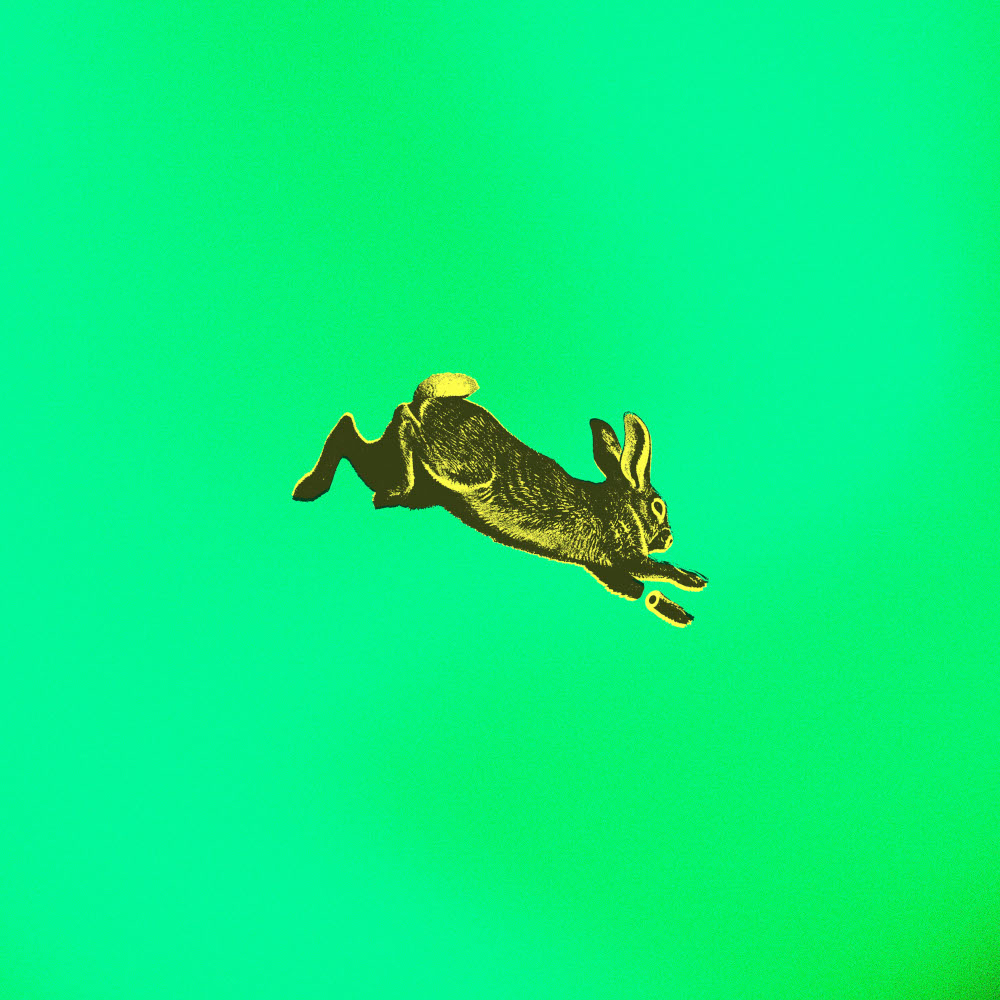
New album, “The Weight Of Things We Cannot Touch”, out on November 20th!
Gothenburg metalcore quartet Grayscale Season have announced their new album. It was produced by George Lever (Loathe, Sleep Token), who worked with the band remotely while they recorded everything themselves, a first for them. The album was mixed by Buster Odeholm (Humanity’s Last Breath, Bring Me The Horizon) and mastered by Seth Munson (Teddy Swims), with additional top line production and piano by Aurora Karme Nord.
Yarusenai is a Japanese word for the sadness, disappointment or anger you feel when you know exactly what is wrong and have no way at all to fix it. Grayscale Season built an entire album out of that condition. In almost every one of these eleven tracks, the narrator can see precisely what is wrong with him and cannot act on it. He knows he is in the wrong room with the wrong people and stays there (‘Strung Up’). He knows that conforming is consuming him and conforms anyway (‘soulmogged’). He knows what he should have said and says it too late, to someone already gone (‘Exit’). He knows there is a fracture running through his own self-image and keeps performing (‘mov’). He knows he is not present and zones out anyway (‘I Know What You Are’).
Grief runs through the record in several forms: grief with nowhere to go on ‘Yarusenai (Ghost)’, survivor’s guilt on ‘Exit’ and on ‘Heart&Ache’ grief as pure endurance, which produces the bluntest line here: “Grief demands a witness in every breath you take.” Grief demands that you stay alive.
The album keeps looking for somewhere outside itself to put all this. One place is other people. ‘Infinite cc’ is an attack on anyone who would rather imitate than be themselves: “I know what you are / I’ve seen you in the dark.” But ‘Square Terror’ is the same voice describing itself in exactly those terms: “I’ll do whatever you want, I’m that hollow.” And the closing track is called ‘I Know What You Are.’ The accusation that started out aimed at other people ends up as the title of the song about himself.
The other place to put grief is the ground. The title comes from ‘Yarusenai (Ghost)’: “Close your eyes / And try to feel the weight of things you cannot touch / I know it hurts so much, the grief we try to clutch.” It is why we bury people and mark the spot, and why the song holds on to the idea that the untouchable things are still real, that feelings linger, attach themselves to objects and places, get passed on. As Adam Dahlman puts it: I hope there are ghosts. I hope there are feelings that remain. None of it fixes anything. That is the condition the whole record sits in: the problem is on the inside, and neither contempt nor ceremony gets you there.
Then the last song names the one exception, and it quotes the band’s previous album back at itself to do it. feel something new was about letting go of the past and being open to whatever came next. Here that phrase returns in the past tense, “I wanted to feel something new,” immediately before the album’s final claim: “This is the only love that I have ever known and the only one I have touched. / If I could live a hundred lives, I’d choose the one with you, every time.”
Nothing has been resolved by then. The album is named after everything that stays out of reach, and it ends on the one thing that never was. What the closing song grieves is not the loss of that thing but the years spent looking past it, and its first and last line is the same: “Lately I’ve been zoning out.”
Melancholy is what Eddie Lejhagen wanted, and the screams are where it shows: a quality he hears in Deafheaven, desperate and mournful at once. The record works across a wide span, from Swedish melancholic rock at one end to the heaviest edge of Swedish metal at the other. Richard Sörensen describes their own end of it as thall inspired, but their version of it, less technical and more interested in impact and vocal melody than in intricate guitar playing.
Two vocalists: Adam Dahlman sings and writes the clean lyrics, Eddie Lejhagen screams and writes the screamed ones. The accusation the album keeps making belongs to nobody in particular: the lyrics to “Infinite cc” were written by both of them, to ‘Square Terror’ by Lejhagen, and to ‘I Know What You Are’ by Dahlman. Most of the riffs come from Richard Sörensen, who hears what a song is missing faster than anyone else in the room and wrote ‘Infinite cc’ on his own. Lejhagen built the arrangements and soundscapes the record rests on, and cut away whatever stopped a song getting to the point. Johan Carlbom is the first drummer in three records to be in the room while the songs were written. He is an old friend, played on ‘Pillow Grin’ and ‘Pink Mist’ and turned up in the ‘Luxury Depression’ video, and the band’s verdict is that he saved the album.
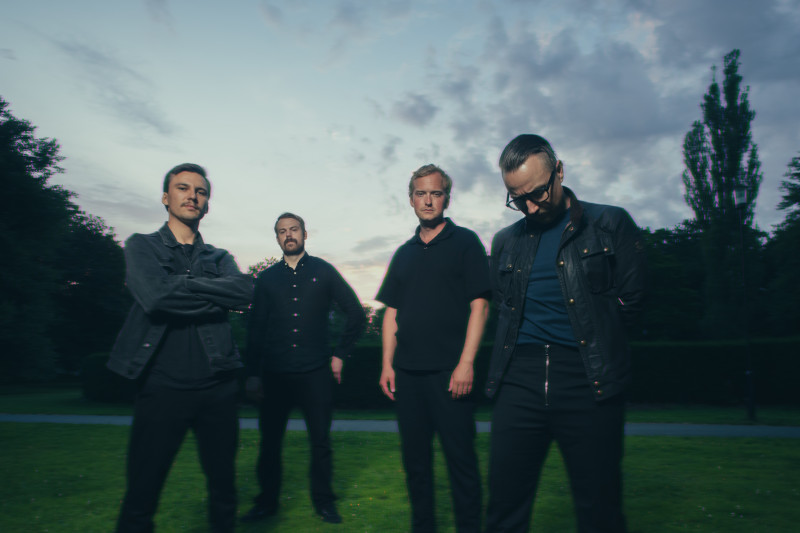
(Photograph by Daniel Falk)